𝔹𝕒𝕤𝕚𝕔 𝕀𝕟𝕗𝕠𝕣𝕞𝕒𝕥𝕚𝕠𝕟
────────────────── ✦ ──────────────────
ℕ𝕒𝕞𝕖: Krohl & Knell
𝔾𝕖𝕟𝕕𝕖𝕣(𝕤): Male
ℍ𝕖𝕚𝕘𝕙𝕥: 6 Foot 4 Inches | 6 Foot 5 Inches
𝕎𝕖𝕚𝕘𝕙𝕥: 200 Lbs
ℙ𝕝𝕒𝕔𝕖 𝕆𝕗 𝕆𝕣𝕚𝕘𝕚𝕟: Morrowmere, Parros Island
ℂ𝕦𝕣𝕣𝕖𝕟𝕥 𝕃𝕠𝕔𝕒𝕥𝕚𝕠𝕟(𝕤): Morrowmere, Parros Island
ℂ𝕝𝕒𝕤𝕤𝕚𝕗𝕚𝕔𝕒𝕥𝕚𝕠𝕟: Kaijn
𝕃𝕚𝕗𝕖 𝕊𝕥𝕒𝕥𝕦𝕤: Alive
𝕎𝕠𝕣𝕝𝕕 𝕊𝕥𝕒𝕥𝕦𝕤: Roaming
✦ ─────── K-101 ─────── ✦
𝕆𝕥𝕙𝕖𝕣 𝕀𝕟𝕗𝕠𝕣𝕞𝕒𝕥𝕚𝕠𝕟
────────────────── ✦ ──────────────────
ℂ𝕠𝕣𝕖 𝕊𝕥𝕒𝕥𝕦𝕤: Intact
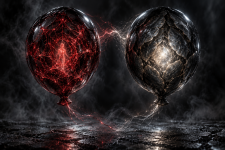
ℂ𝕠𝕣𝕖 𝕋𝕪𝕡𝕖: Each possesses a fist-sized, glossy black core resembling a miniature balloon made from hardened glass. Krohl’s contains a crimson web suspended around a flickering human silhouette, while Knell’s contains overlapping, shell-like plates surrounding a pale ember. Thin strands trail from their bases like balloon strings, disappearing into the surrounding air. Held close, Krohl’s core produces faint laughter; Knell’s produces a slow, muffled toll. These cores are two interdependent halves of the same original spiritual nucleus. Each preserves an imprint of both entities, allowing one to restore the other after otherwise fatal destruction. Their visible black balloons are external conduits connected to these cores, used to gather fear and establish supernatural influence. Popping a balloon disrupts that connection temporarily, but does not destroy the core itself.
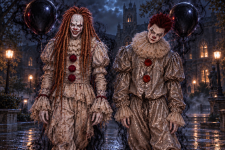
ℙ𝕖𝕣𝕤𝕠𝕟𝕒𝕝𝕚𝕥𝕪 𝕋𝕪𝕡𝕖: Krohl: Loud, goofy, and shamelessly theatrical, Krohl turns nearly every encounter into a twisted comedy routine. He pulls ridiculous expressions, imitates voices, makes terrible jokes, and treats even dangerous opponents like participants in his personal circus. His foolish behavior conceals a deliberate purpose: discovering what frightens someone and slowly escalating it until they reach absolute terror. He prefers keeping his targets alive, returning with new scares to repeatedly push them toward that peak and feed his growing power. Killing ends a source of fear, making unnecessary slaughter wasteful in his eyes. His ultimate ambition is to kill their leader, The Reaper, and he will cooperate with hunters or Noktis members if their involvement brings that goal closer, even if he spends most of the alliance teasing them. | Knell: Knell shares Krohl’s goofy nature, but expresses it through dry remarks, deadpan pranks, unsettling impressions, and absurd behavior delivered with a completely serious face. He happily participates in their antics, though he is quicker to recognize when the joke needs to stop. More focused and calculating, he monitors their targets’ limits, intervening when Krohl risks killing someone before they have drawn out enough fear. He favors recurring nightmares that build anticipation and dread, allowing them to feed repeatedly and continuously grow stronger. His hatred of The Reaper outweighs his hostility toward humans, and he can negotiate sincerely with hunters or Noktis when cooperation serves their rebellion. Once a genuine opportunity to defeat The Reaper appears, his humor gives way to decisive concentration. | Despite their cruelty, neither is driven by indiscriminate killing. They cultivate terror as a means of gathering the strength needed to overthrow The Reaper, preserving victims whenever possible without caring much about the psychological harm they leave behind. Their willingness to ally with humans is genuine, although earning trust requires them to restrain their predatory habits and honor agreed boundaries. Above all, they remain fiercely devoted to one another: they bicker, compete, and turn each other’s mistakes into jokes, but neither intends to win their freedom at the cost of the other.
ℂ𝕒𝕥𝕖𝕘𝕠𝕣𝕪: II
ℕ𝕠𝕜𝕥𝕚𝕤 𝔸𝕤𝕤𝕖𝕤𝕤𝕞𝕖𝕟𝕥 "No assessment, they have yet to encounter this Kryptid"
ℂ𝕠𝕞𝕓𝕒𝕥 𝕀𝕟𝕗𝕠𝕣𝕞𝕒𝕥𝕚𝕠𝕟
────────────────── ✦ ──────────────────
𝕊𝕥𝕣𝕖𝕟𝕘𝕥𝕙: Both possess tremendous physical strength even while appearing humanoid, capable of tearing through steel doors, overturning like tanks, and driving opponents through masonry.
𝕊𝕡𝕖𝕖𝕕: Neither possesses exceptional movement speed, relying primarily on teleportation through their manifested black balloons to pursue prey, evade attacks, and reposition. They both move with the agility of a fit human but can still briefly lung and crawl walls without sustained high-speed pursuit. They can disappear through one balloon and emerge from another they have already manifested, but this limit goes away in their own city, being able to teleport anywhere within it.
𝔻𝕦𝕣𝕒𝕓𝕚𝕝𝕚𝕥𝕪: Their manifested bodies are considerably easier to damage than their monstrous appearances suggest. Gunfire can penetrate their flesh, powerful blades can sever limbs, and heavy superhuman strikes can crush bones or tear through their torsos. Krohl’s spider exoskeleton provides moderate protection but can fracture under pressure. Knell’s shell is tougher, capable of absorbing sustained gunfire and powerful impacts, but heavy weaponry and repeated superhuman blows can crack it open. Their ghostly intangibility helps them avoid harm, though they must become solid to physically attack. Their survival depends primarily on regeneration rather than enduring damage.
𝕀𝕟𝕥𝕖𝕝𝕝𝕚𝕘𝕖𝕟𝕔𝕖: Both are intelligent predators with exceptional understanding of fear, grief, and human behavior. Krohl excels at improvisation, deception, and provoking emotional mistakes. Knell specializes in patience, territorial control, and anticipating rescue attempts. They share impressions and sensory information through their bond, making it difficult to deceive one without eventually alerting the other. Neither is omniscient: they must observe, interrogate, or enter a victim’s dreams to uncover specific personal memories.
ℝ𝕖𝕘𝕖𝕟𝕖𝕣𝕒𝕥𝕚𝕠𝕟: Their regeneration is extraordinarily aggressive, rebuilding their bodies almost as quickly as opponents can destroy them. Bullet wounds seal as rounds pass through, shattered bones realign instantly, and severed limbs regrow within one to two seconds. Their heads, hearts, and other organs are expendable manifestations; decapitation or the destruction of their chest only briefly interrupts them. Even being reduced to scattered fragments or vaporized flesh allows them to reconstruct around an intact core within several seconds. Krohl’s spider limbs and Knell’s shattered shell regenerate with the same speed, allowing both to continue attacking while visibly rebuilding.
𝔸𝕕𝕒𝕡𝕥𝕒𝕓𝕚𝕝𝕚𝕥𝕪: Both are experienced hunters, but their ability to adjust during combat is limited. They rely on familiar patterns of intimidation, isolation, and ambush, performing best when given time to study a victim. Krohl can change his disguises and manifestations to exploit fears he has already discovered, but struggles to quickly devise new tactics when those methods fail. Knell plans carefully but becomes predictable when forced to improvise outside a prepared nightmare. Unfamiliar abilities, coordinated opponents, and sudden disruptions to their balloon network can leave them repeating ineffective strategies. Neither develops new resistances or automatic counters through exposure.
𝕎𝕖𝕒𝕜𝕟𝕖𝕤𝕤: Their greatest vulnerability is also the source of their survival: their linked cores. Both cores must be destroyed within approximately ten seconds of one another to permanently kill the pair. If that interval passes, the surviving core draws its counterpart’s essence into itself, protecting it until a replacement core can form. Decapitation or bodily destruction alone cannot accomplish this. Their nightmare influence requires a foothold. Sleeping victims previously marked through a balloon encounter are easiest to reach; fully alert, unmarked opponents are much harder to trap. Recognizing an illusion, maintaining emotional control, and receiving outside assistance can weaken their hold. Courage denies them additional nourishment, but does not make someone immune to their physical attacks. Destroying manifested balloons interrupts nearby dream connections and reduces their control over the area. Spiritual barriers can prevent the transfer of energy between them, delaying regeneration and forcing each to rely on its own reserves. Such separation does not remove the need to destroy both cores. Their devotion to one another can also be exploited: neither can calmly abandon the other to capture or destroy.
✦ ─────── K-101 ─────── ✦
𝔸𝕓𝕚𝕝𝕚𝕥𝕪 𝕀𝕟𝕗𝕠𝕣𝕞𝕒𝕥𝕚𝕠𝕟
────────────────── ✦ ──────────────────
ℙ𝕣𝕚𝕞𝕒𝕣𝕪 𝔸𝕓𝕚𝕝𝕚𝕥𝕪: Black Paralyses
𝔸𝕓𝕚𝕝𝕚𝕥𝕪 𝔻𝕖𝕤𝕔𝕣𝕚𝕡𝕥𝕚𝕠𝕟: Krohl and Knell command complementary aspects of terror: Krohl brings nightmares into the waking world, while Knell hunts within sleep. Their black balloons act as extensions of their cores, gathering fear, observing potential victims, and carrying spiritual marks between them. Someone haunted by Krohl becomes easier for Knell to reach during sleep, while someone repeatedly attacked by Knell becomes increasingly susceptible to Krohl’s waking manifestations. Together, they can pursue a victim through both states, making exhaustion as dangerous as staying awake. Fear feeds their abilities, strengthening their manifestations and expanding their influence. However, neither requires a frightened victim to inflict harm. Resisting their intimidation weakens their supernatural advantage without removing the physical danger they present. Their balloons can be destroyed to interrupt nearby connections, but doing so neither kills the pair nor automatically removes an established mark.
ℙ𝕒𝕤𝕤𝕚𝕧𝕖 𝔸𝕓𝕚𝕝𝕚𝕥𝕪 #𝟙: Twin Existence: Their linked cores allow them to share senses, discovered fears, memories stolen from dreams, and stored spiritual energy. Information uncovered by Knell during sleep becomes material for Krohl’s next waking encounter, while Krohl’s observations help Knell construct more personal nightmares. Either can shelter the other’s essence if its body or core is destroyed, allowing their exceptional regeneration to restore them. Both cores must be destroyed within the same ten-second interval to permanently kill them.
ℙ𝕒𝕤𝕤𝕚𝕧𝕖 𝔸𝕓𝕚𝕝𝕚𝕥𝕪 #𝟚: Fear Manifest (Krohl): Krohl senses nearby fear and gradually identifies its source through sustained attention, close encounters, or information shared by Knell. He can reshape himself into terrifying creatures, impersonate familiar people, and project convincing sights, sounds, and sensations into waking surroundings. A victim might hear a deceased relative calling from a drain, see an empty hallway fill with crawling insects, or watch Krohl unfold into the very creature they have feared since childhood. He can selectively reveal these manifestations, leaving one person screaming at something their companions cannot see. His transformations are more than disguises. Krohl can develop functional claws, jaws, additional limbs, or other physical features suited to the shape he assumes. He cannot acquire an unrelated supernatural ability simply by copying its appearance, and large transformations consume more energy. His illusions initially deceive the senses, but within territory anchored by his balloons, he can expend stored fear to give selected manifestations temporary physical substance. Recognizing a false image can weaken it; but a manifested claw can still cut. His true form is a colossal wolf spider bearing his normal humanoid torso, dreadlocks, and clown face. In this state, his spectral silk restrains bodies and spiritual entities, carries vibrations back to him, and exposes trapped victims to disturbing visions. Krohl favors prolonged hunts, using familiar voices and false escapes to drive prey toward his web. His influence is strongest in the waking world; he cannot independently control dreams with Knell’s precision.
ℙ𝕒𝕤𝕤𝕚𝕧𝕖 𝔸𝕓𝕚𝕝𝕚𝕥𝕪 #𝟛: Dreadful Lulaby (Knell): Knell enters the dreams of spiritually marked sleepers and turns their subconscious surroundings into hunting grounds. Within an invaded dream, he can reshape scenery, alter his own body, bend apparent distance, distort the passage of time, and impersonate people drawn from the sleeper’s memories. Doors can open into the same room, stairways can descend forever, and a momentary escape can become another layer of the nightmare. Unlike Krohl’s theatrical approach, Knell often lets the victim struggle through these changes in silence before revealing that he has been watching. Injuries Knell personally inflicts within an established nightmare transfer to the victim’s sleeping body. His claws leave real wounds, crushing attacks break bones, and a fatal injury can kill the sleeper. This requires an actual attack within the dream; he cannot simply declare someone dead. As terror and exhaustion deepen, his control becomes harder to challenge, and he can draw several marked sleepers into a shared nightmare where they encounter one another. His true form is a gigantic corrupted turtle whose hollow shell houses the shared dreamscape. Within sleep, its interior can become flooded houses, abandoned fairgrounds, or entire stretches of impossible streets. His presence also builds supernatural drowsiness in nearby marked targets, creating openings for intrusion without instantly incapacitating alert opponents. Outside dreams, his control over surroundings is substantially reduced, leaving him dependent on his monstrous body, regeneration, and Krohl’s support. Outside intervention can wake a victim and end the immediate encounter, while lucid awareness allows a sleeper to challenge portions of the dream. Neither guarantees an effortless escape once Knell has established deep control. If a victim holds onto his manifested dream body while being forcibly awakened, they can drag a portion of his essence into the waking world, briefly forcing him into a tangible, vulnerable state.
✦ ─────── K-101 ─────── ✦
ℍ𝕚𝕤𝕥𝕠𝕣𝕪
────────────────── ✦ ──────────────────
Morrowmere was built around a lake that concealed the remains of an older settlement. After a flood swallowed its lowest streets, the surviving townspeople rebuilt above the shoreline and continued holding their annual Founders’ Fair. The celebration became a tradition of bright lights, painted smiles, and carefully avoided questions about what lay beneath the water. Years later, traces of the Reaper’s blood seeped into the flooded foundations, where generations of terror and unresolved grief had gathered. The resulting Kryptid formed with one spiritual nucleus, but its developing consciousness divided into two distinct selves. One sought attention, laughter, and the exhilaration of pursuit. The other sought silence, shelter, and absolute control. Their core split without fully separating, creating Krohl and Knell: two bodies whose continued existence depended upon the same bond. They adopted the appearances of clowns from deteriorating carnival posters, finding that a familiar smile could make people hesitate when they should have fled.
Krohl claimed the tunnels beneath Briarbell Pavilion, weaving his territory through abandoned service passages and the foundations of old fairground buildings. Knell settled beneath Stillwater Reservoir, resting among submerged houses with his enormous shell resembling a mound of collapsed stone. The drowned streets connected their shelters. From there, black balloons began appearing throughout Morrowmere; outside bedroom windows, beneath bridges, and tied to gates that had been locked for years. Their earliest victims reported the same dreams before disappearing: an empty fairground, laughter beneath the floorboards, and a silent clown waiting at the end of a flooded street. Those who survived often remembered incompatible versions of the same night. Some insisted they had escaped a burning house; others remembered being trapped underwater, though their clothes were dry when they woke. The pair encouraged this confusion, allowing their existence to remain scattered among rumors rather than a single credible account.
At least once, a group of residents succeeded in destroying Krohl’s manifested body beneath the pavilion. The town celebrated, believing its haunting had ended. Knell disappeared into the reservoir with the surviving essence of his counterpart, and weeks later Krohl returned. The people responsible began finding black balloons inside their homes. Their failure became the foundation of a local warning: there are always two, even when only one allows itself to be seen. In 2079, Krohl and Knell continue to roam Morrowmere, feeding carefully enough to preserve the population that sustains them. Their bond has grown stronger through decades of shared hunts, retreats, and reconstruction. Noktis has yet to encounter them directly, and the truth of their linked cores remains unknown to the town. Beneath the annual music of the Founders’ Fair, Krohl still laughs for his audience, while Knell watches the exits.